-2025-12-30%20at%2013.41.12.png)
Snoring is widespread and is often considered harmless. In fact, snoring can have various causes and in some cases be an indication of a sleep or breathing disorder that requires treatment. A targeted ENT medical examination helps to differentiate harmless forms from medically relevant causes.
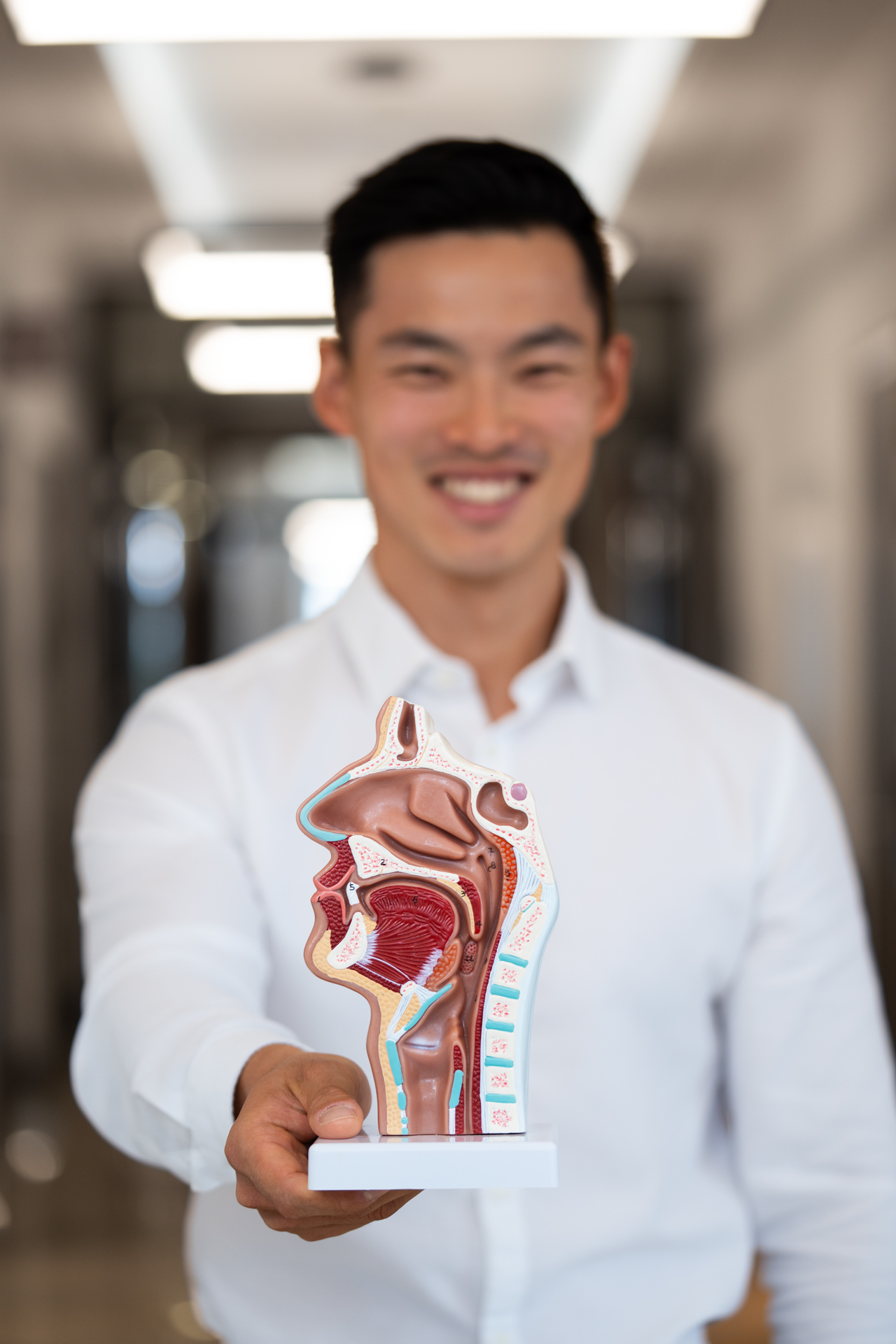
Snoring is caused by the vibration of soft tissues in the upper respiratory tract during sleep. In particular, the following are affected:
If the airflow is constricted, the typical snoring noises occur, which can vary significantly in intensity and regularity.
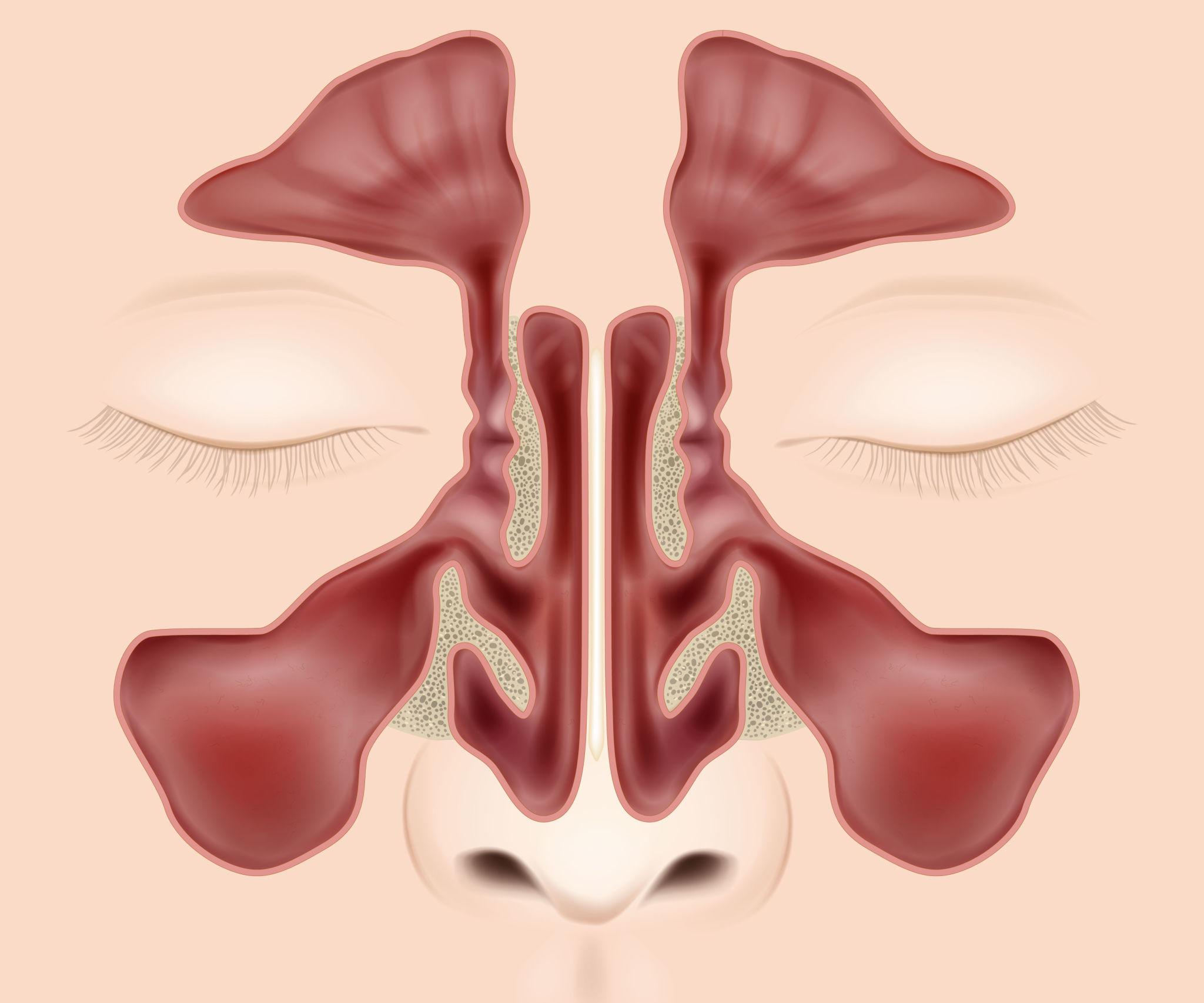
Obstructed nasal breathing is one of the most common causes of snoring. Possible reasons include:
Restricted nasal breathing often leads to mouth breathing during sleep, which increases snoring.
During sleep, the muscles in the throat relax. As a result, constrictions can form, which cause soft palate vibrations. Favourative factors include:
The supine position promotes snoring, as the tongue and soft tissues sink backwards and further constrict the throat area.
Children can snore too. This is not always harmless and should be clarified, especially if additional symptoms occur.
Common causes among children include:
Snoring in children can be associated with mouth breathing, restless sleep, daytime tiredness or concentration problems and should therefore be taken seriously.
An important warning is the suspicion of obstructive sleep apnea. Indications may be:
In these cases, a timely specialist consultation is required.
The diagnosis of snoring is structured and individually adapted.
If sleep apnea is suspected, an outpatient sleep measurement or further clarification in the sleep laboratory may be necessary.
The treatment depends on the cause and severity.
When sleep apnea is diagnosed, treatment is carried out in interdisciplinary collaboration, often using special respiratory therapies.
Snoring is not just a nocturnal sound, but can significantly impair sleep quality and, in certain cases, pose health risks. A targeted ENT specialist assessment makes it possible to precisely identify the cause and initiate individually tailored treatment.
Your ear, nose and throat specialist – with a focus on advanced ENT surgery at Rudolfinerhaus Private Hospital (1190 Vienna) and MEDIZIN am Markt Medical Center near Naschmarkt (1040 Vienna).

-2025-12-30%20at%2013.38.53.png)